Blog · Sep 8, 2026
When a Missing Part Becomes a Mission Problem
What 30 years around operational aircraft taught me about supply chains, readiness, and the future of manufacturing
I spent more than two decades of my Air Force career maintaining aircraft. If you spend enough time on a flight line, you learn that some of the biggest readiness problems can start with some of the smallest components.
I understood that throughout my career, but during my time serving in the U.S. Air Forces Central area of responsibility in 2021 and 2022, I saw it through a very different lens.
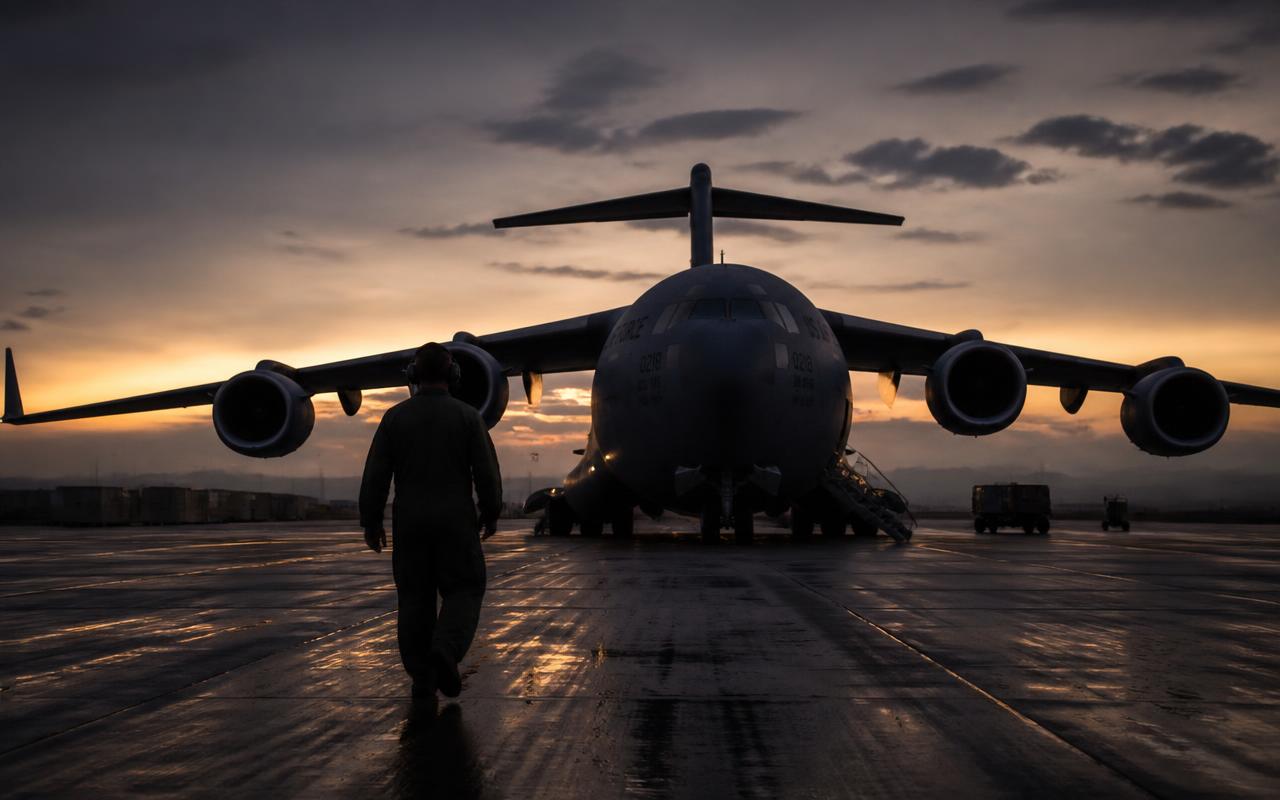
I was there during the withdrawal from Afghanistan. At Al Udeid Air Base, I watched C17s carry hundreds of Afghan evacuees to safety. Aircraft availability was not just a readiness percentage on a briefing slide. Every aircraft mattered. Every sortie mattered. And after more than two decades as an aircraft maintainer, I knew something as simple as a missing part could keep an aircraft on the ground.
In that environment, the consequences were very human.
That experience has stayed with me because I saw versions of the same problem throughout my career. Parts were not available. Manufacturers went out of business. Components became obsolete. Lead times grew. Technical data was sometimes incomplete. For the maintainer on the flight line, all of those problems eventually arrived in the same form: the part you need is not here, and the mission is waiting.
That perspective is a big part of what drew me to what I am doing today.
Since starting with Arcessio in May and officially retiring from military service on September 1, I have had some time to think about what I want this next chapter to be about. I knew I wanted more than another job. I wanted to keep contributing to national security and serving the American people. I also wanted to build something and work on a problem I understood personally.
That is what makes the idea of manufacturing intelligence so interesting to me.
What if, when a critical part is unavailable, our only question was not simply, "Where can we find another one?" What if we could also quickly understand how that part should be made, what material and manufacturing process make sense, what it should cost, and where the right manufacturing capability exists to produce it?
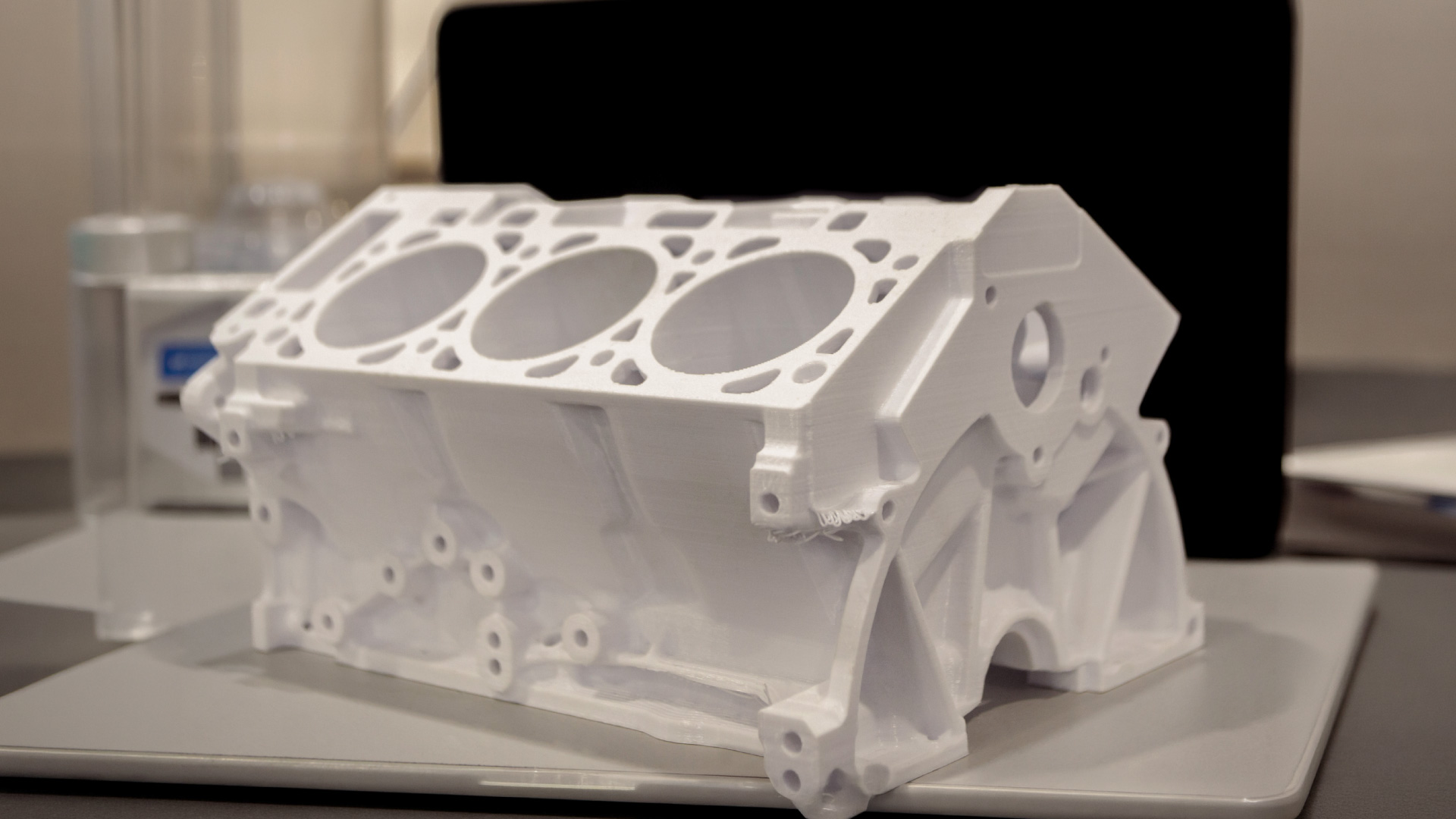
The answer might be additive manufacturing. It might be CNC machining, casting, sheet metal, or another process. The point is not to manufacture everything locally or to replace the traditional supply chain. The point is to give people another option when the traditional answer is not fast enough for the mission. That broader ability to connect engineering data with manufacturing, sourcing, and execution is at the center of what we are building at Arcessio.
I think about what that could eventually mean for a maintenance organization operating downrange. A weapon system is waiting on a component. Instead of immediately accepting a long supply timeline, what if that organization could determine whether the part could be produced through qualified manufacturing capacity much closer to where it is needed?
There are hard problems that have to be solved to make that vision real. Technical data, intellectual property, cybersecurity, qualification, configuration control, and engineering authority all matter. Technology does not make those requirements go away.
But I believe there is an opportunity to rethink how we approach parts availability, particularly for aging systems, obsolete components, and low volume requirements.
For most of my first career, I stood at the point where supply chain problems became operational problems. I was the maintainer waiting for the part.
Now I have an opportunity to help build something from the ground up that is trying to solve that problem from the other direction.
I find that deeply fulfilling.
The uniform is different, but for me, the mission still matters.
Sean Milligan