 SELECTED FOR DEPARTMENT OF WAR SUSTAINMENT MODERNIZATION PROGRAM
Understand the part.
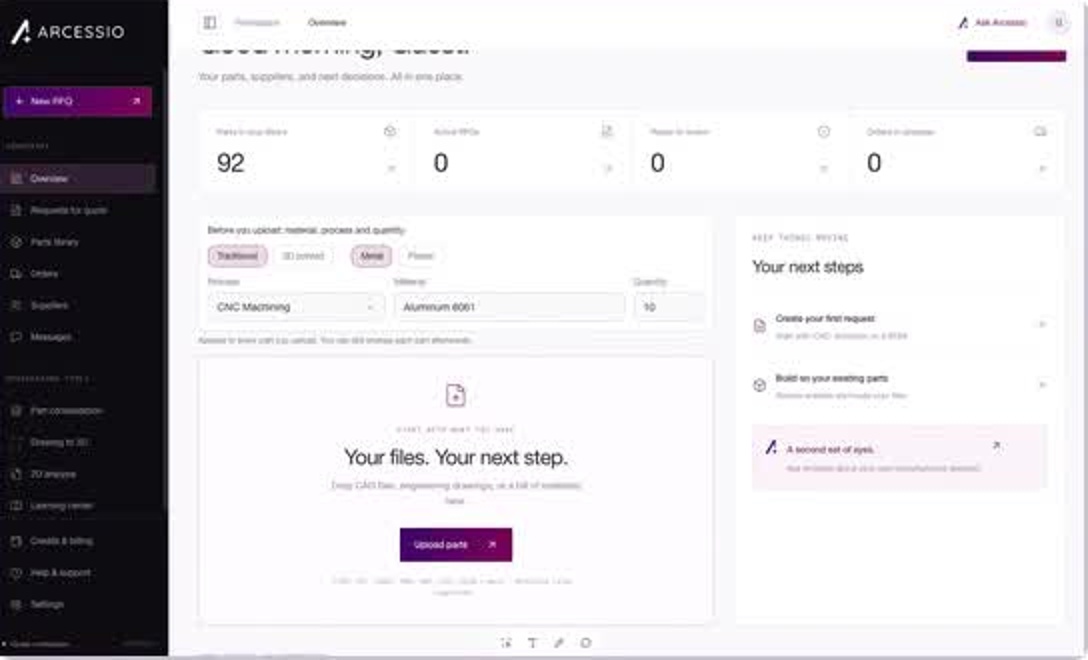
Bring CAD geometry, drawing tolerances, material specifications, quantities, and operating requirements into one engineering context.
SOLUTIONS / OVERVIEW
Connected AI brings engineering and supply chain context together to evaluate designs, explore manufacturing alternatives, and turn approved changes into measurable cost savings.
Analyze & source my partsONE CONNECTED DECISION
Bring CAD geometry, drawing tolerances, material specifications, quantities, and operating requirements into one engineering context.
Explore material, geometry, and manufacturing-route candidates. Compare potential cost and lead-time trade-offs before asking engineering to review.
Source to your existing specification or bring an approved recommendation into an RFQ. Compare quotes and collaborate directly with suppliers.
ARCESSIO PATENT
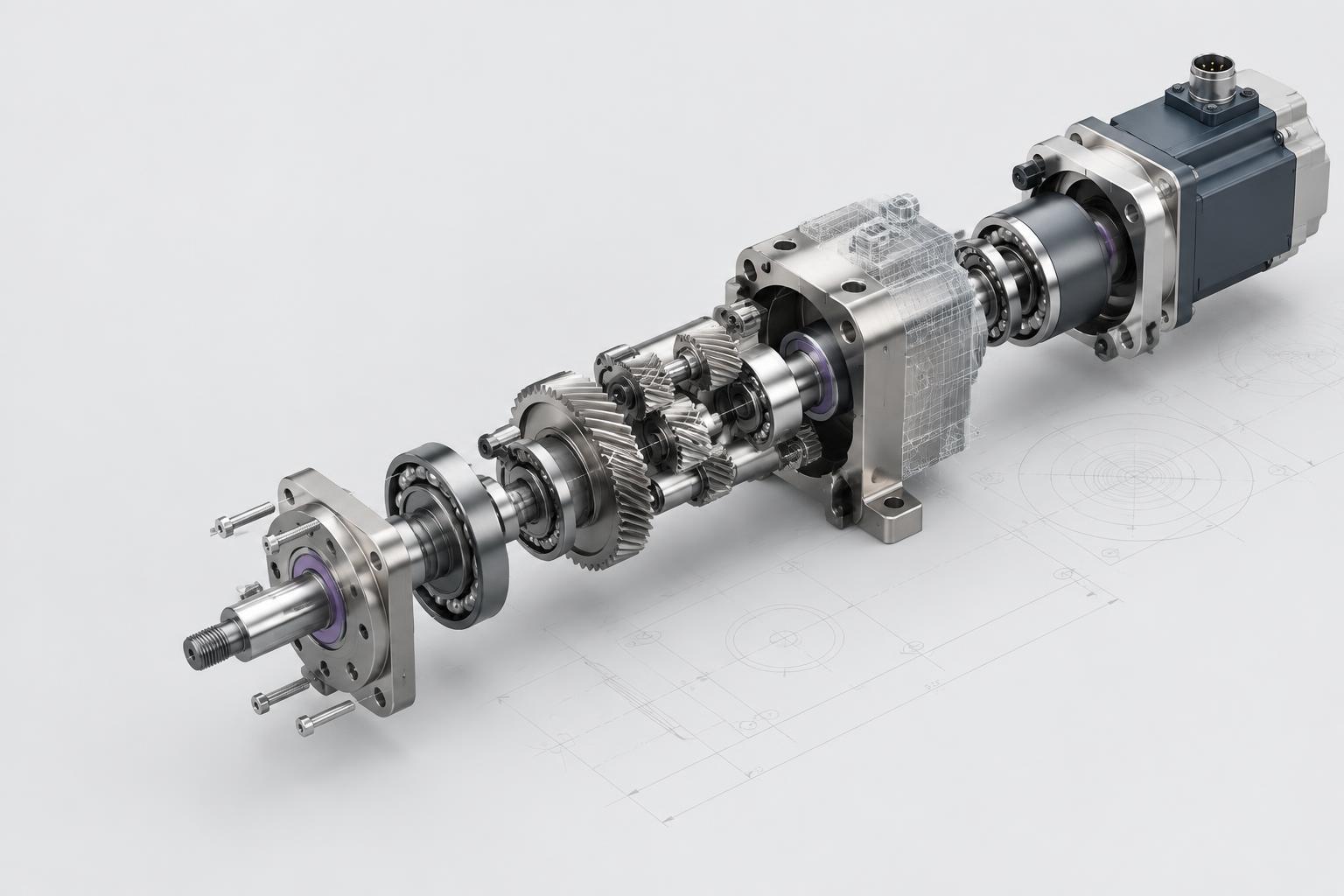
Identifies connected parts in a mechanical assembly, made from similar materials, that can be consolidated into a single part produced by additive manufacturing.
WHERE ARCESSIO FITS
Mechanical components: metal, plastic or a mix
High cost or significant annual spend
Long lead times or supply chain challenges
High minimum order quantity or tooling cost
Complex geometry or known manufacturability issues
Open to other materials or manufacturing processes
New designs where manufacturing isn’t finalized yet
Could benefit from redesign, simplification or consolidation
Need to change supplier: localize or go offshore
LOOK DEEPER THAN THE QUOTE
Find opportunities to reduce cost and lead time by understanding what a part needs to do and how it could be made.
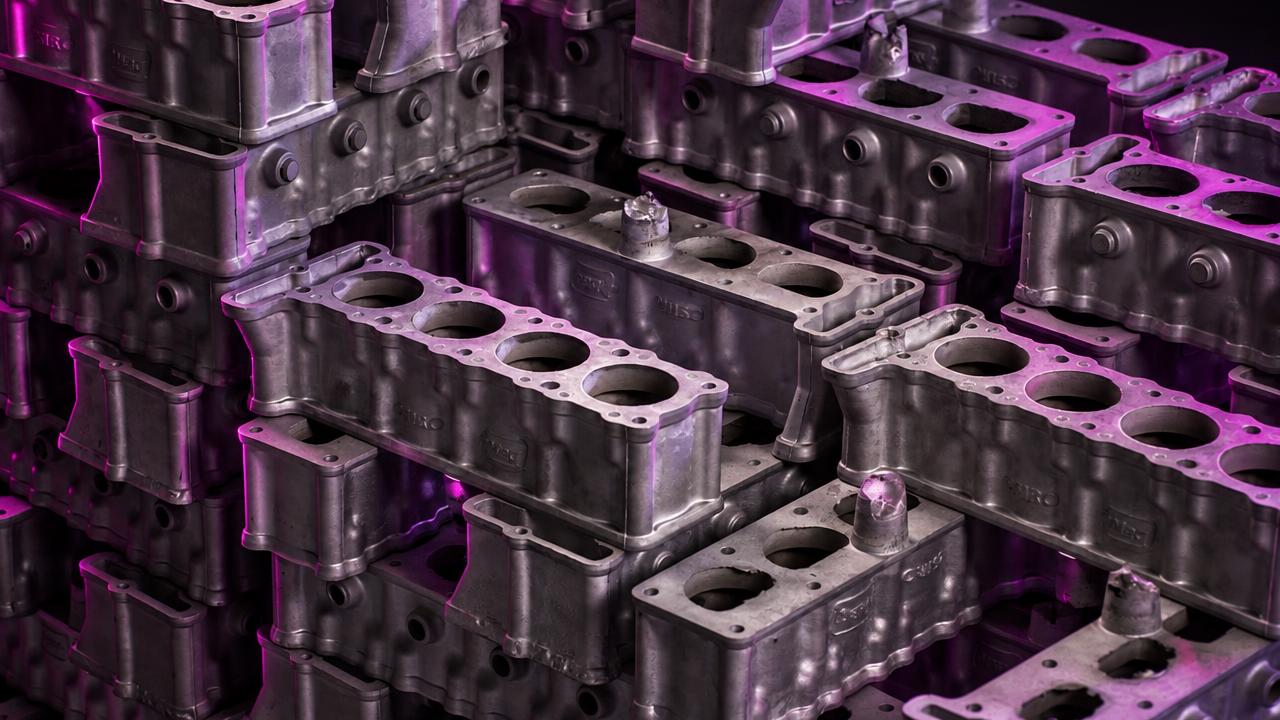
Compare material alternatives against strength, stiffness, temperature, corrosion resistance, and the part’s operating requirements. See the trade-offs in cost and availability.
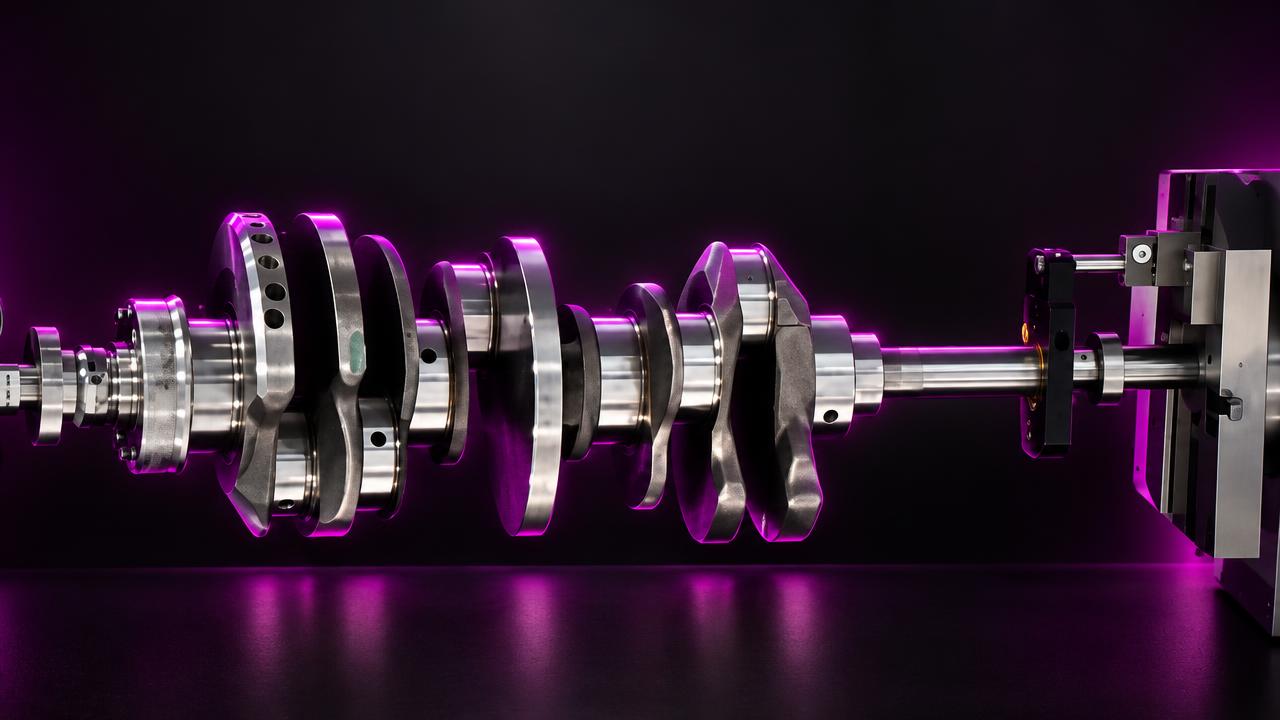
Map drawing tolerances to features on the 3D model. Identify potentially overengineered features and bring proposed changes to engineering for review while preserving critical fits and interfaces.
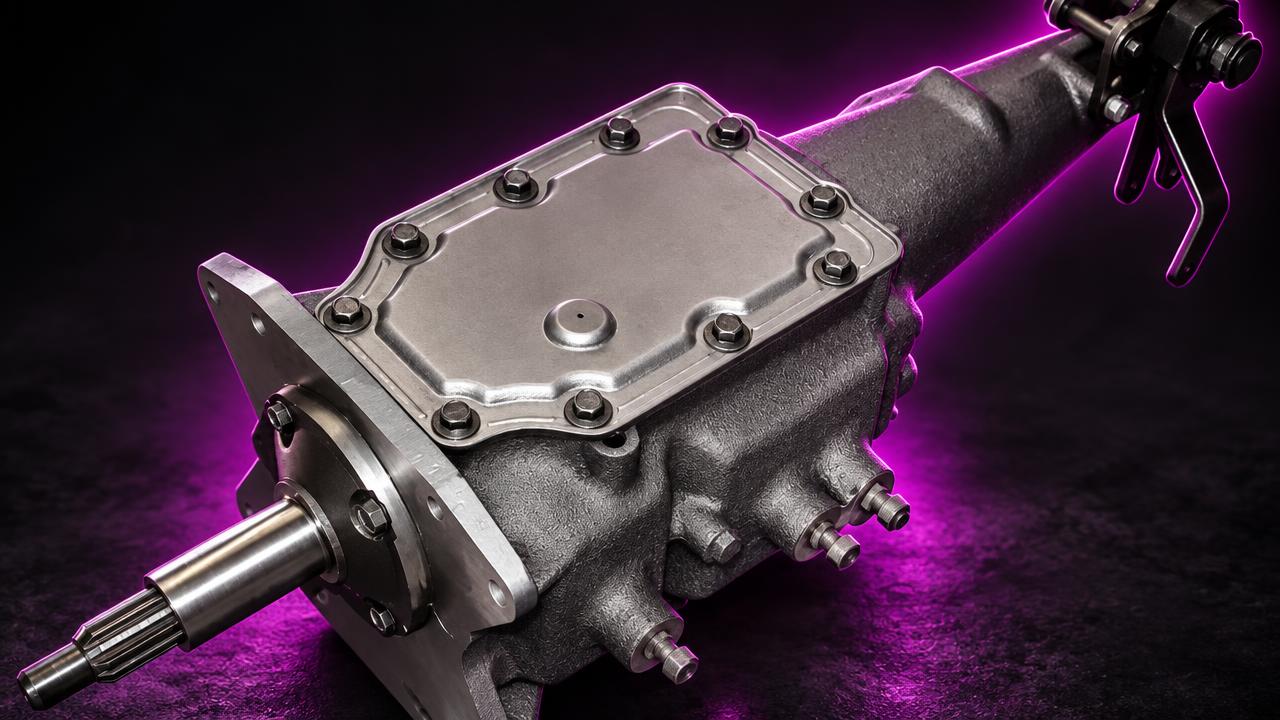
Find candidates for sand casting with finish machining at mating surfaces and critical features. Evaluate geometry, casting alloys, tooling, and volume before changing the manufacturing route.
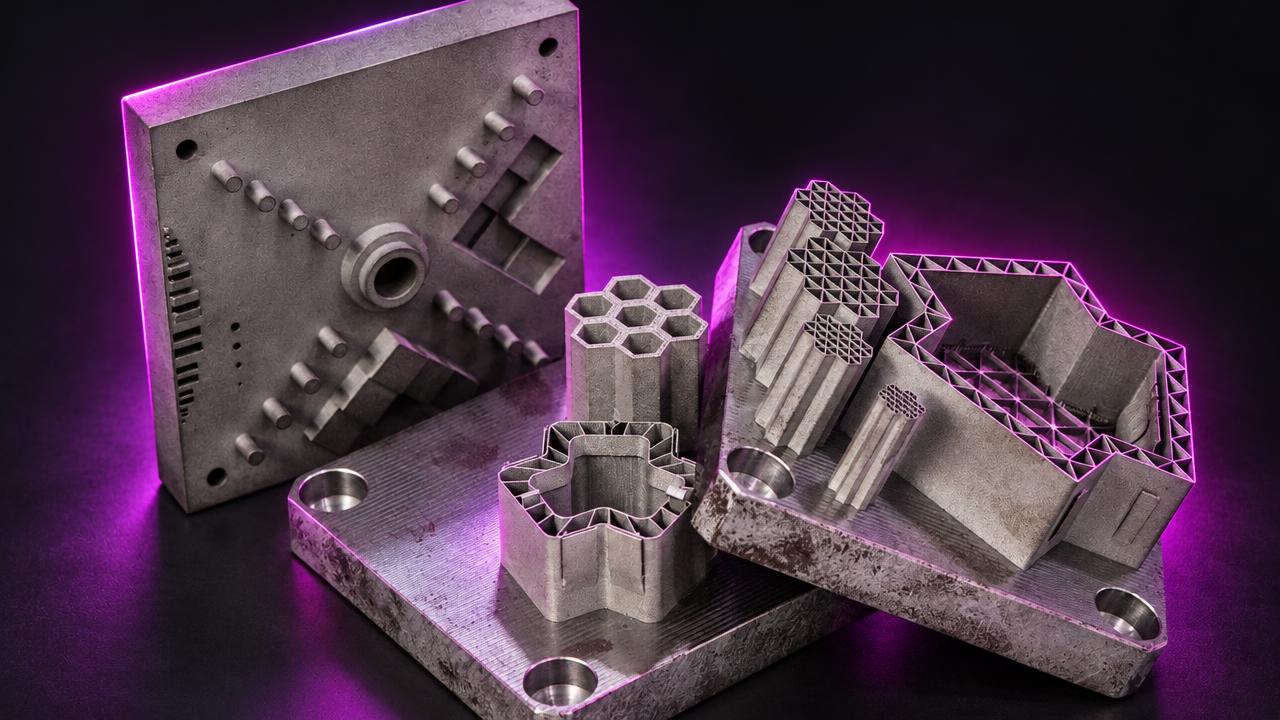
Find low-volume parts where additive could reduce tooling, material waste, or lead time. Compare qualified materials, post-processing, and cost at your actual production quantity.
Every recommendation starts with your requirements, production volume, and operating conditions. Engineering validates the change.
Photos adapted (relit) from Wikimedia Commons: magnesium alloy engine blocks (CC BY 3.0); crankshaft on a form-measurement machine (CC BY-SA 4.0); Ford Toploader transmission case (public domain); metal 3D-printed parts on an AddUp build plate (CC BY 2.0).
ENGINEERING + PROCUREMENT
Recommendations depend on function, production volume, operating conditions, and critical interfaces, not cost alone.
Engineering validates material properties, tolerances, performance, and qualification needs. AI recommendations are candidates for review.
Work from the same part requirements as you evaluate alternatives, request quotes, and clarify details with suppliers.
START WITH 10–20 PARTS
Bring the parts. We’ll help your team explore the possibilities.